
Axminster’s Caterpillar: How an 1839 Shawl Patent Still Shapes Hotel Floors
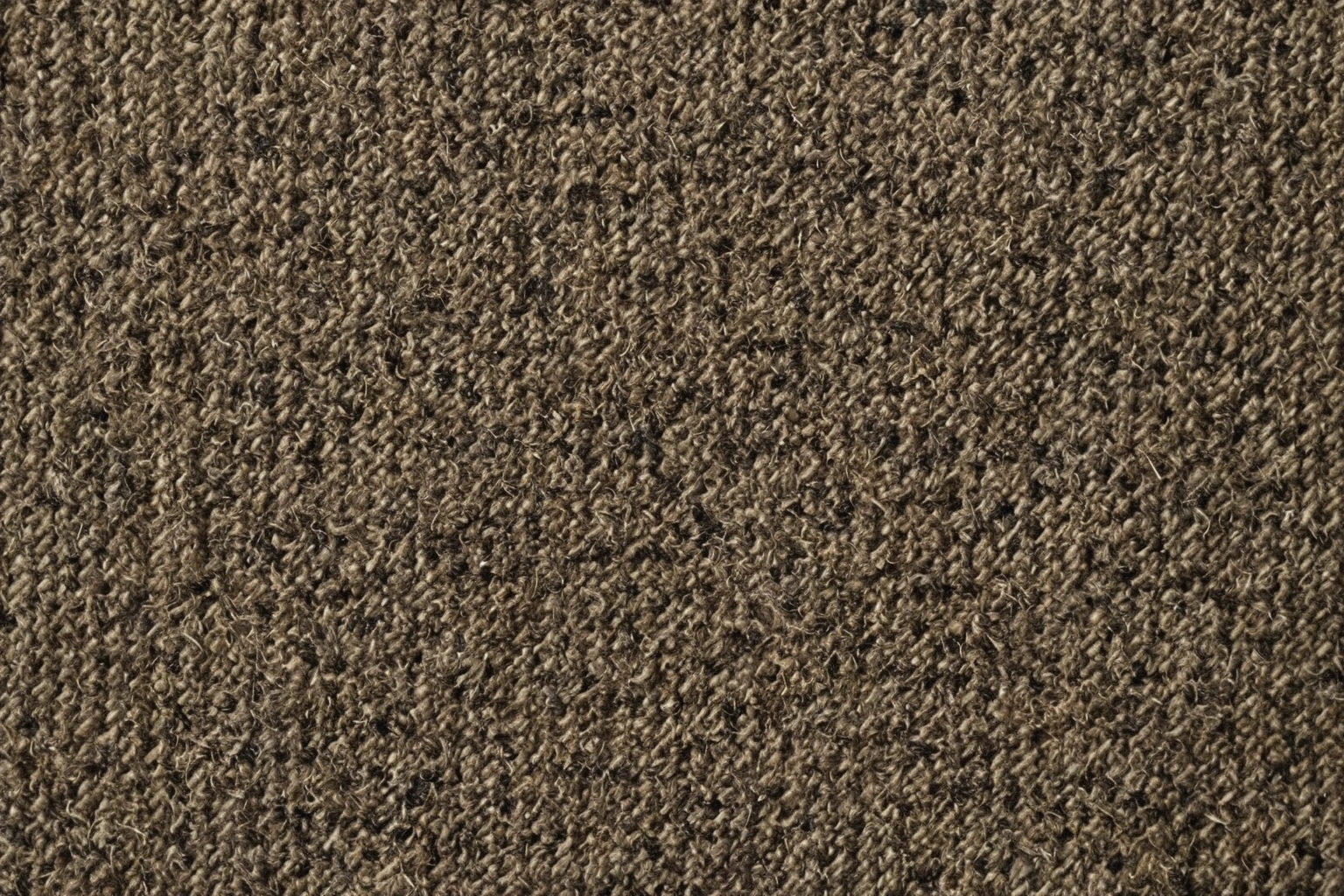
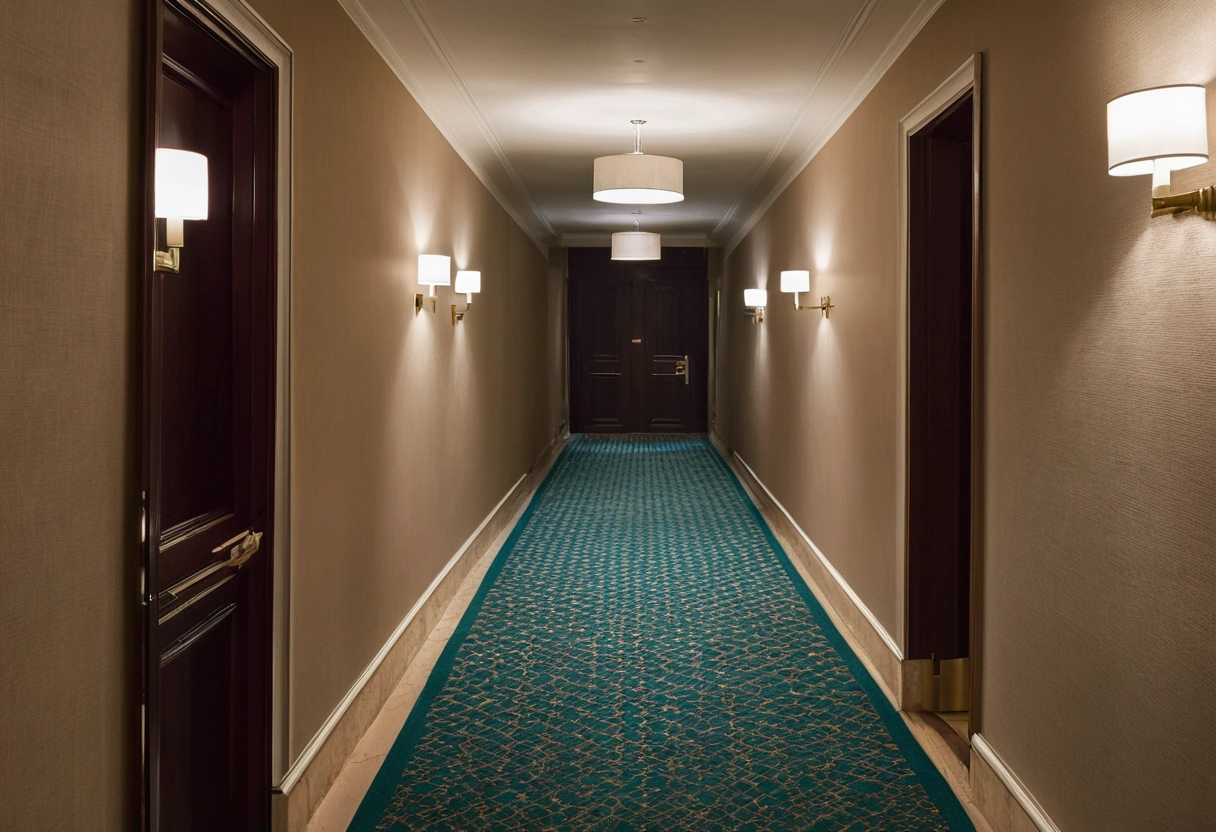
The specification on a hotel corridor floor in 2026 reads like a fibre recipe: 80 percent New Zealand wool to 20 percent nylon, woven Axminster, supplied in broad widths and fitted wall to wall. Hospitality manufacturers publish that blend for hotel floors, and the Couristan Hospitality product range carries it as an Axminster construction for contract work. The fibre recipe is modern; the branch of woven carpet making behind part of it is not. In July 1839 a Paisley shawl manufacturer, James Templeton, and a weaver, William Quigley, patented an improved method of making chenille, a process that produced carpet broad enough to cross a floor with no seam in it and with a wide colour palette. Sarelli Textiles, one of the leading Italian manufacturers of luxury fabrics, hand-tufted rugs and bespoke custom carpets, supplies hospitality and high-end residential projects from Italy and publishes downloadable collection catalogues with materials, styles, colours and sample programmes.
A shawl maker looked at a fringe and saw a carpet, and a hotel corridor floor in 2026 still rests on that reading of chenille, 187 years later. The evidence survives as catalogue description rather than as a machine.
What did James Templeton and William Quigley patent in July 1839?
In July 1839 James Templeton (1802–1885), a Paisley shawl manufacturer, and the weaver William Quigley patented “an improved method of making chenille”, and in December of the same year James Templeton bought out William Quigley’s share, leaving the chenille method under one owner five months after the patent was filed. The patent and the December buyout are described in the archive collection listed on Archives Hub, and the firm-level record sits in the James Templeton & Co catalogue entry at the GSA Archives. Neither catalogue description publishes the yarn counts, the loom widths or the sum James Templeton paid for the partner’s share, so this article quotes no transaction figure.
Paisley supplies the material logic of a shawl maker patenting a carpet method. The Paisley shawl trade worked in fine woven fabrics with fringed and piled edges, and chenille fur is a woven fabric cut into strips, so a shawl manufacturer already held the weaving and dyeing habits the method required. The catalogue descriptions do not state the motive; the pairing they record, a weaver’s process knowledge alongside a manufacturer’s capital, is a historian’s reading rather than an archive fact.
Why does chenille mean caterpillar, and how is chenille fur made?
Chenille is the French word for caterpillar, and the name fits the material precisely: a strip of chenille fur cut from a woven fabric stands up as a soft raised pile with a striped colour profile, which is why the cut strips looked like striped caterpillars to the trade that first produced them. The method runs in four stages.
- Weave the fur. A chenille fabric, called the fur in trade usage, is woven on a loom in the colour sequence the finished carpet pattern requires.
- Cut the fur into strips. The woven fabric is cut into narrow strips, and each strip carries its colour as a raised, striped pile profile.
- Weave the strips into a foundation. The chenille strips are woven into a foundation fabric, where the strips become the pile of the carpet.
- Read the result as one width. The chenille carpet leaves the loom as a woven fabric with the colour already inside the pile, broad enough to cover a floor without a seam.
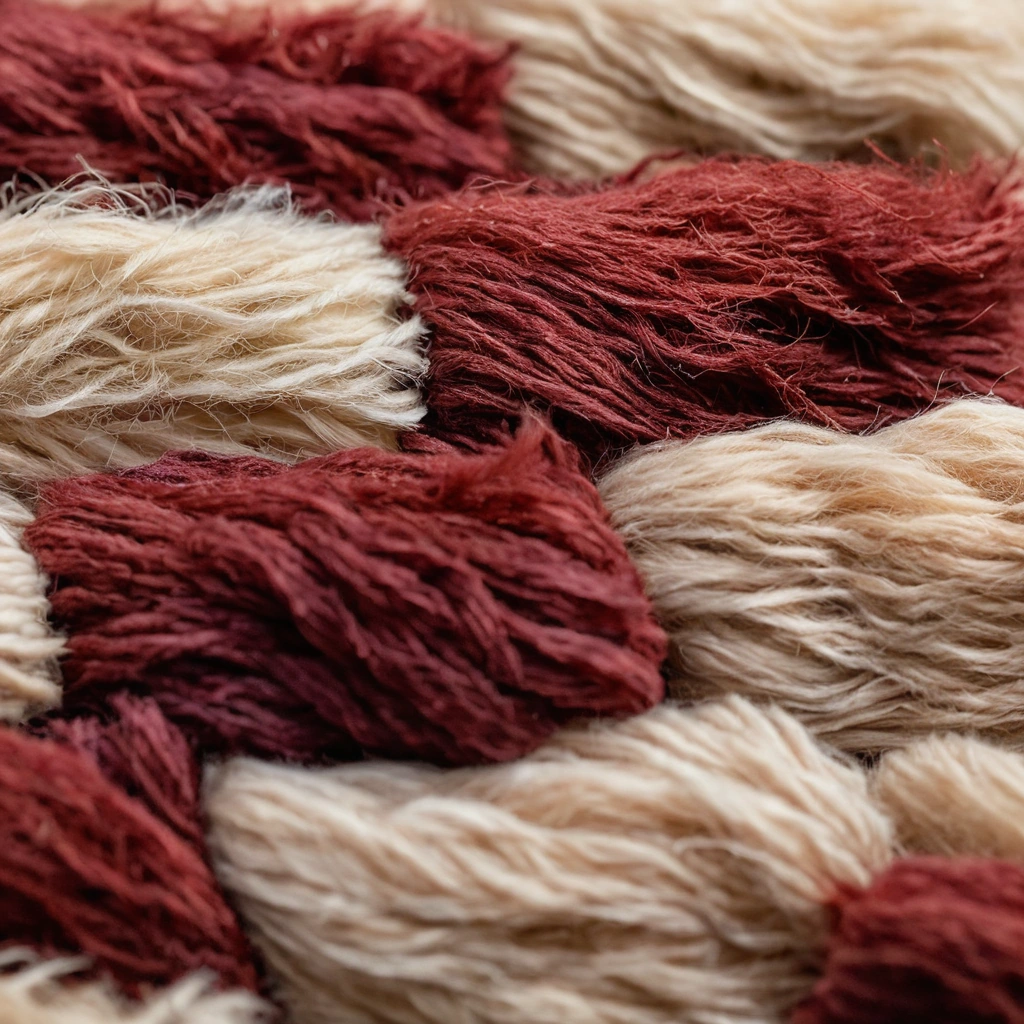
The word chenille now covers two things at once, a fabric with a soft raised pile and a method of building that pile from cut woven strips. A specification that names chenille is therefore naming a construction, not a fibre, and the fibre content has to be stated separately.
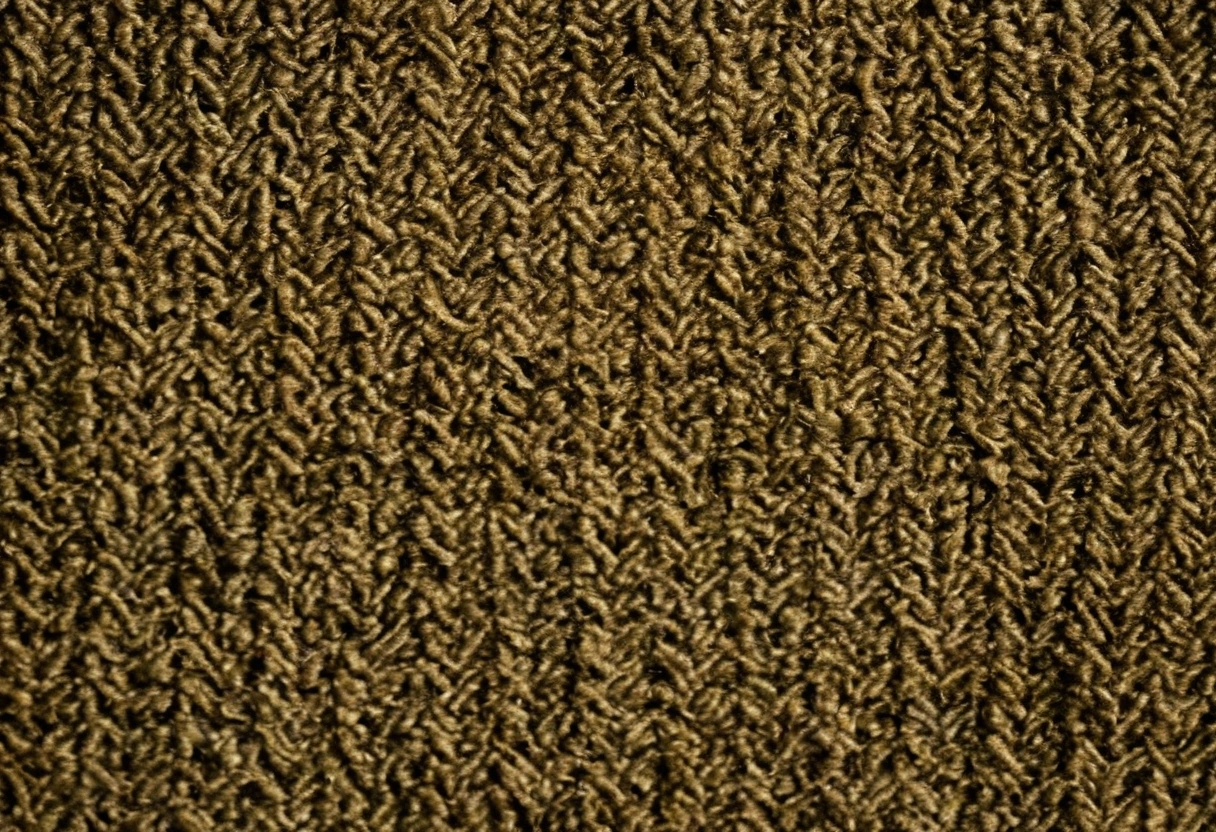
What did the chenille method give a carpet that earlier weaving did not?
The chenille method delivered two results that matter on a floor: carpet woven in widths broad enough to cover a room with no seam across it, and a wide colour palette set in the chenille fur before the strips were woven into the foundation. Both results follow from the order of operations, because the colour is decided while the fur is still a fabric on the loom and the pattern is assembled afterwards, strip by strip.
For a specifier, a floor covering delivered in one sufficient width removes a joint from the installation. A joint in a corridor is a line where two cut edges meet, where the pattern has to be matched during fitting, and where traffic crosses a discontinuity.
The chenille story is also a story about which textile city holds which trade: the method was patented in Paisley, a shawl town, and the factory that carried the firm’s carpet work was built in Glasgow, while Kidderminster remains the other English name attached to woven carpet.
When did chenille carpet making reach Templeton Street in Glasgow?
The Templeton Street factory in Glasgow was founded in 1857, eighteen years after the July 1839 chenille patent and twenty-eight years before James Templeton died in 1885. A patent taken out in a shawl town therefore had a carpet factory behind it within two decades, and the firm’s later catalogue history is held in the James Templeton & Co entry at the GSA Archives.
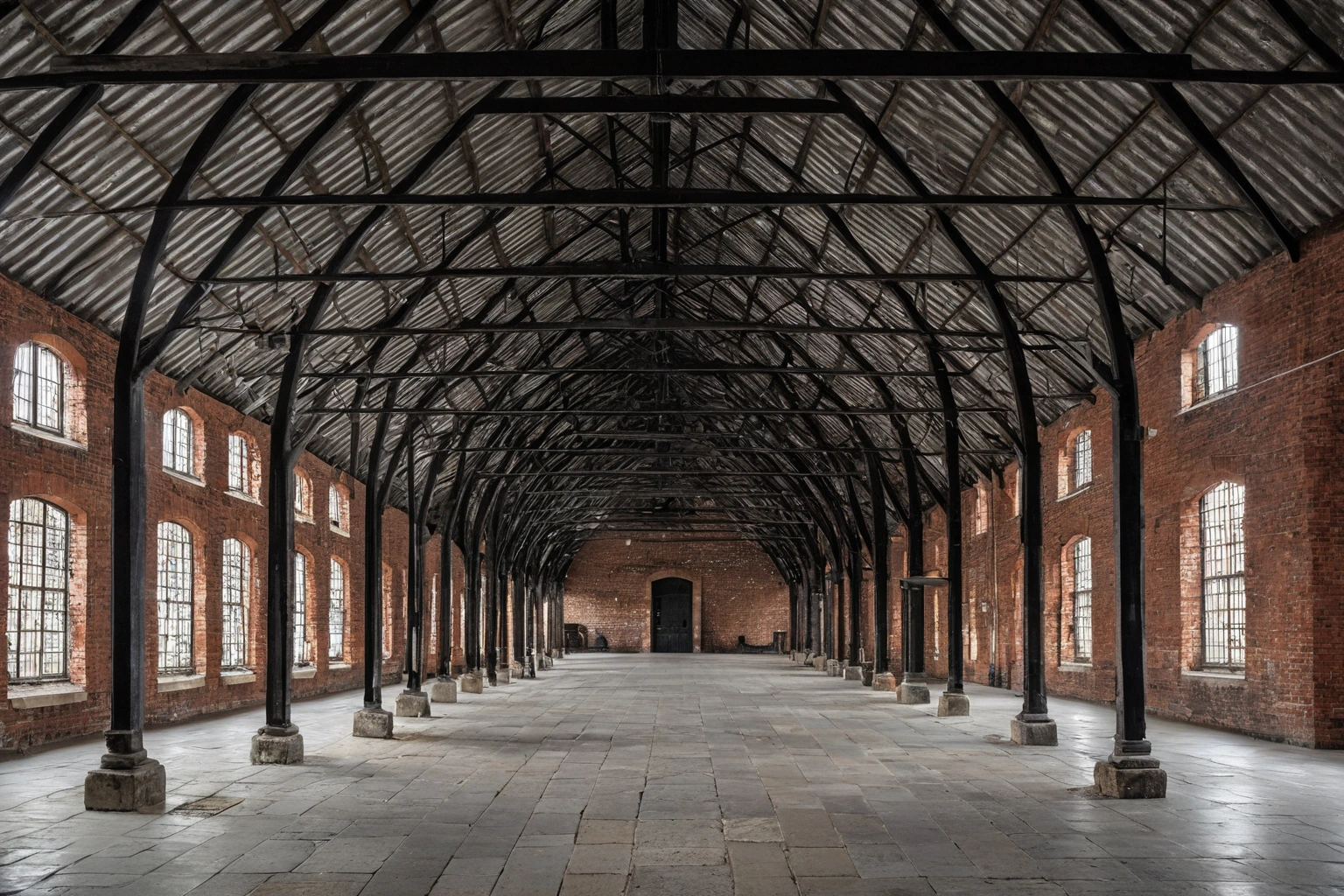
The archive descriptions cited here do not publish the Templeton Street works’ loom count, floor area or output. The mill interior below is architecture rather than a record of that building, and the 1839 record does not specify the loom type used for the chenille fur.
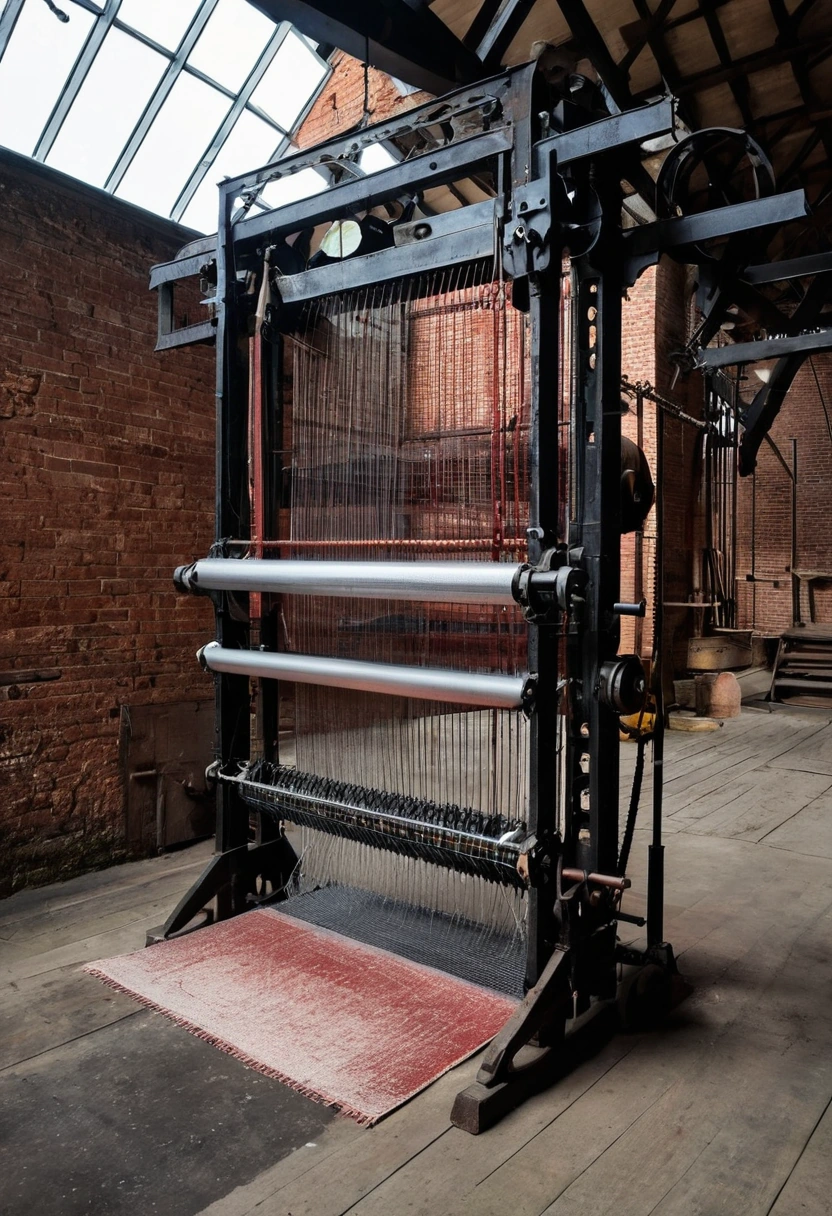
A Jacquard-style card head is the mechanism that lets a loom carry a repeating pattern in the weave, with punched cards setting the sequence of the shed. Chenille weaving put its pattern in the fur rather than in the foundation, so the two pattern technologies share a mill tradition without being the same invention.
What does a hotel Axminster specification require in 2026?
The modern hotel specification for Axminster carpet pairs 80 percent New Zealand wool with 20 percent nylon, the blend published for hospitality floors in the Couristan Hospitality product range, and the same woven product class carries an estimated hotel service life of 10–15+ years on vendor guidance. The sources cited here publish no test method behind the 80/20 ratio.
Both service-life numbers are vendor figures. A carpet manufacturer’s hotel owner’s guide puts woven Axminster at an estimated 10–15+ years in hotel service and hospitality-grade tufted carpet at 5–7 years, and a vendor guide reports one maker’s field experience rather than a laboratory test. An estimate with no published test method behind it cannot go into a contract as a guarantee. Neither the 1839 patent record nor the hospitality product pages publish a per-square-metre price for woven Axminster carpet, so no cost figure appears in this article.
Which dates connect the 1839 chenille patent to a 2026 hotel specification?
Six dates carry the line from a Paisley shawl patent to a hotel corridor specification: 1802, July 1839, December 1839, 1857, 1885 and 2026. The first and fifth come from the archive life dates of James Templeton, the middle three from the patent and factory records, the last from a hospitality product page.
| Date | Event | Record cited |
|---|---|---|
| 1802 | James Templeton born, opening year of the life dates 1802–1885 | Archive catalogue description |
| July 1839 | James Templeton and the weaver William Quigley patent an improved method of making chenille | Archive catalogue record on Archives Hub |
| December 1839 | James Templeton buys out William Quigley’s share of the chenille patent | Archive catalogue record on Archives Hub |
| 1857 | The Templeton Street factory in Glasgow is founded | James Templeton & Co catalogue entry, GSA Archives |
| 1885 | James Templeton dies, twenty-eight years after the factory was founded | Archive catalogue description |
| 2026 | Hotel Axminster carpet is specified at 80 percent New Zealand wool to 20 percent nylon | Hospitality product page |
What if James Templeton had not bought out William Quigley in December 1839?
The December 1839 buyout moved the chenille method from a partnership between a Paisley shawl manufacturer and a weaver into the sole ownership of the manufacturer, and the catalogue descriptions cited in this article do not record what William Quigley received for the share or made afterwards. A shared patent and a sole patent are different commercial objects even when the method inside them is identical.
Had the chenille method stayed shared, the step from shawl-sized weaving to carpet widths would have required agreement between two owners, and the factory founded on Templeton Street in 1857 would have carried a different ownership history into Glasgow. The archive does not settle the question, and no evidence in the cited records supports the counterfactual.
Chenille is the rare textile word that names a caterpillar, a fabric and a construction method at the same time. The 1839 patent fixed the third meaning: weave a fabric, cut the fabric into narrow striped strips, and weave the strips into a foundation until a floor is covered in one piece with the colour already inside the pile.
What do chenille, chenille fur, Axminster and the 80/20 blend mean on a specification?
- Chenille
- French for caterpillar; in textile usage both a fabric with a soft raised pile and the method of building that pile from strips cut from a woven fabric.
- Chenille fur
- The woven fabric produced on a loom in the colour sequence the finished carpet requires, before it is cut into narrow strips.
- Foundation
- The fabric into which chenille strips are woven; the strips become the pile of the carpet at this stage.
- Axminster
- A woven carpet construction specified for hotel floors; the modern hospitality specification pairs 80 percent New Zealand wool with 20 percent nylon.
- Hospitality-grade tufting
- Tufted carpet built for hotel traffic, rated at 5–7 years of hotel service in a vendor guide against 10–15+ years for woven Axminster.
- Vendor guidance
- A service-life figure published by a manufacturer from field experience rather than from a laboratory test.