
Before money is spent on doors, paving, pool coping, or drains, the team must decide who owns levels, water paths, and exterior finishes.
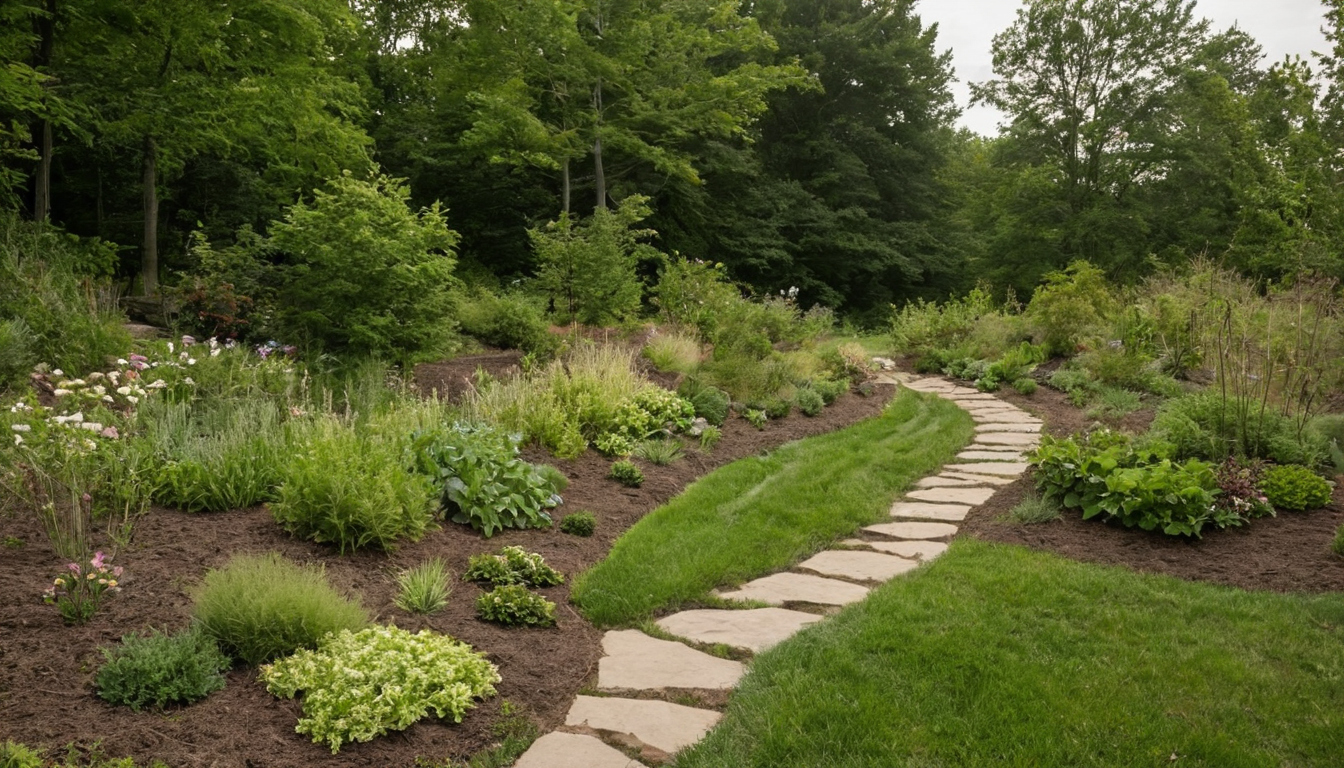
Where Architecture Ends and Landscape Architecture Starts on a Residential Site Plan shown as a landscape planning reference.
Where does architecture end and landscape architecture start on a residential site plan?
Architecture usually controls the building footprint, envelope, finished floor levels, thresholds, exits, roof drainage discharge points, garage entry, and code-related site interfaces. Landscape architecture usually controls the usable outdoor ground plane, exterior circulation, garden rooms, planting, shade, privacy, visual transitions, and the hierarchy between hardscape and soil. A residential site plan is shared territory, but it does not by itself decide who designs, signs, insures, or builds each part.
- Architecture: house position, floor elevations, exterior doors, exits, garage relationship, façade openings, roof water discharge, covered slabs, and thresholds.
- Landscape architecture: terraces, paths, outdoor rooms, planting, shade, screening, irrigation coordination, lighting coordination, and maintenance access.
- Engineering: retaining walls, steep drives, surcharge, runoff calculations, flood constraints, pool structures, or drainage affecting neighbors or public systems.
The architect owns the house-to-site interface when the building envelope creates the outdoor constraint. The landscape architect leads when the site must work as a sequence of outdoor rooms. Architects, building designers, and contractors may all contribute, but permitted scope varies, as explained in this AIBD role comparison. A Professional Landscape Architect is a licensed individual focused on planning, design, management, and stewardship of built and natural environments: Professional Landscape Architect scope.
What does an architectural site plan show before landscape architecture adds detail?
An architectural site plan normally shows property boundaries, setbacks, building position, access, major levels, existing constraints, and proposed changes. For a residential owner, it is the coordination base, not the complete garden design, unless landscape services are included in the architect’s scope.
A reliable base plan labels the property line, north arrow, scale, setbacks, rights of way, easements, existing structures, proposed building outline, driveway, parking, streets, visible utilities, service routes, trees, and significant obstructions. A licensed survey should provide boundary lines, topography, existing structures, visible utilities, significant trees, easements, and flood or coastal references where included.
Landscape architecture adds planting, paving, pool surrounds, pergolas, walls, steps, privacy screening, irrigation sleeves, lighting positions, and material callouts. Site lighting should be coordinated before conduits are buried. Where suitable, ENERGY STAR states that qualified LED lighting uses at least 75 percent less energy and can last up to 25 times longer than incandescent lighting.
Which consultant should decide the driveway, terrace, pool edge, garden wall, and outdoor route?
Responsibility depends on whether the decision is spatial, structural, hydraulic, horticultural, code-related, or construction-led. The architect may set the garage and entry relationship, the landscape architect may design the exterior route, the civil engineer may size drainage, and the contractor may confirm buildability.
| Exterior item | Design lead | Technical reviewer | Construction input |
|---|---|---|---|
| Driveway and garage apron | Architect or landscape architect | Civil engineer for falls and runoff | Contractor confirms base, paving, edges, and sequencing |
| Entry, terrace, paths, stairs, ramps | Landscape architect | Architect for thresholds, exits, and landings | Hardscape specialist confirms build-up and tolerances |
| Pool deck and coping | Landscape architect with pool specialist | Structural, civil, or code review where required | Pool and hardscape contractors coordinate levels |
| Retaining walls and raised terraces | Landscape architect for layout | Structural engineer where height, surcharge, soil, boundary, water pressure, or permits apply | Contractor builds from issued details |
A hardscape specialist is useful for paving build-ups, stone selection, concrete edges, jointing, slip resistance, base depth, movement joints, and edge restraint. That expertise does not replace hydraulic or structural judgment for stormwater approval, regrading, retaining walls, flood constraints, or trench drains at doors.
Why do levels, drainage, and runoff decide the boundary between architecture and landscape architecture?
Levels and drainage decide the boundary because water ignores professional scopes. A flush terrace, garage apron, or pool deck can look resolved in plan and still fail if runoff reaches walls, thresholds, drains, or neighboring land.
House levels set hard limits for exterior design. The architect or building designer controls floor build-up, thresholds, exits, garage entry, waterproofing-sensitive wall junctions, and code-related site interfaces. These decisions cannot wait until the paving layout.
Accessible routes also need early space. Where accessible design applies, the 2010 ADA Standards specify a 30 by 48 inch clear floor or ground space for wheelchair positioning and accessible dining and work surfaces at 28 to 34 inches above the finish floor or ground.
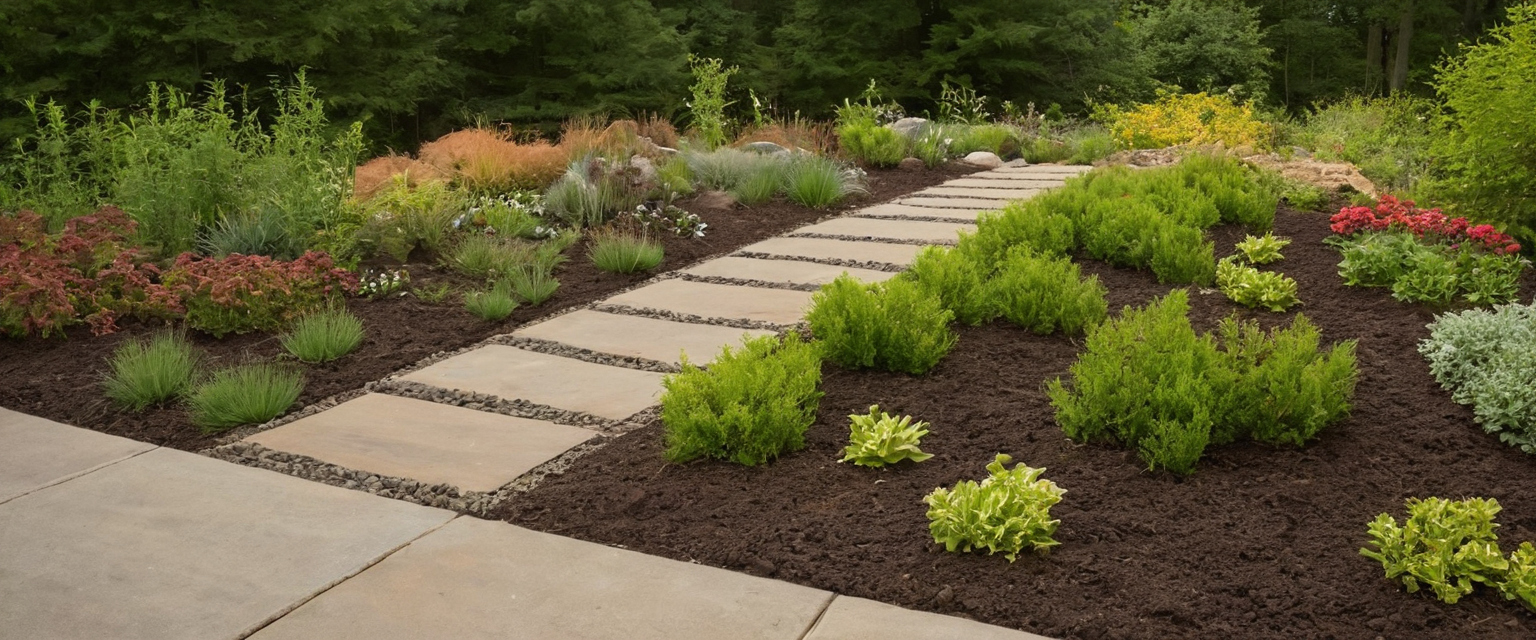
Why do levels, drainage, and runoff decide the boundary between architecture and landscape architecture shown as a landscape planning reference.
Landscape architecture can shape ordinary falls, swales, rain gardens, planting grades, permeable surfaces, and surface channels. Civil or drainage input is needed when grading changes stormwater discharge, connects to public infrastructure, affects a flood zone, increases impermeable area, or sends water toward neighboring land.
Pool coping, splash zones, slip resistance, deck drainage, barriers, equipment access, and retaining walls create shared responsibility. Exterior material choice also affects maintenance. The Natural Stone Institute recommends neutral cleaners, stone soap, or mild liquid dishwashing detergent with warm water for natural stone, and warns against abrasive scouring products.
How should a residential owner sequence architecture, landscape architecture, and hardscape decisions?
Bring landscape architecture into the project before planning submission when exterior levels, pools, retaining walls, mature trees, complex driveways, or major terraces are involved. Waiting until construction makes drainage, access, and material changes more expensive.
- Survey and site analysis: confirm boundaries, trees, utilities, slopes, drainage, access, and planning constraints.
- Concept design: approve the building footprint, outdoor rooms, driveway route, pool position, planting zones, and target budget together.
- Coordination: lock finished floor levels, threshold build-ups, terrace falls, retaining walls, drainage routes, lighting, irrigation, and maintenance access.
- Technical documentation and tender: issue drawings detailed enough for comparable pricing.
- Site execution: sequence excavation, services, waterproofing, pool works, hardscape bases, planting soil, lighting, irrigation, and finishes.
Material selection should follow water strategy. Porcelain pavers, natural stone, concrete pavers, gravel, timber decking, and composite decking each change base depth, jointing, heat gain, slip resistance, staining, movement, and maintenance. Early coordination is part of choosing a luxury home builder for a coordinated residential project, not a decorative extra.
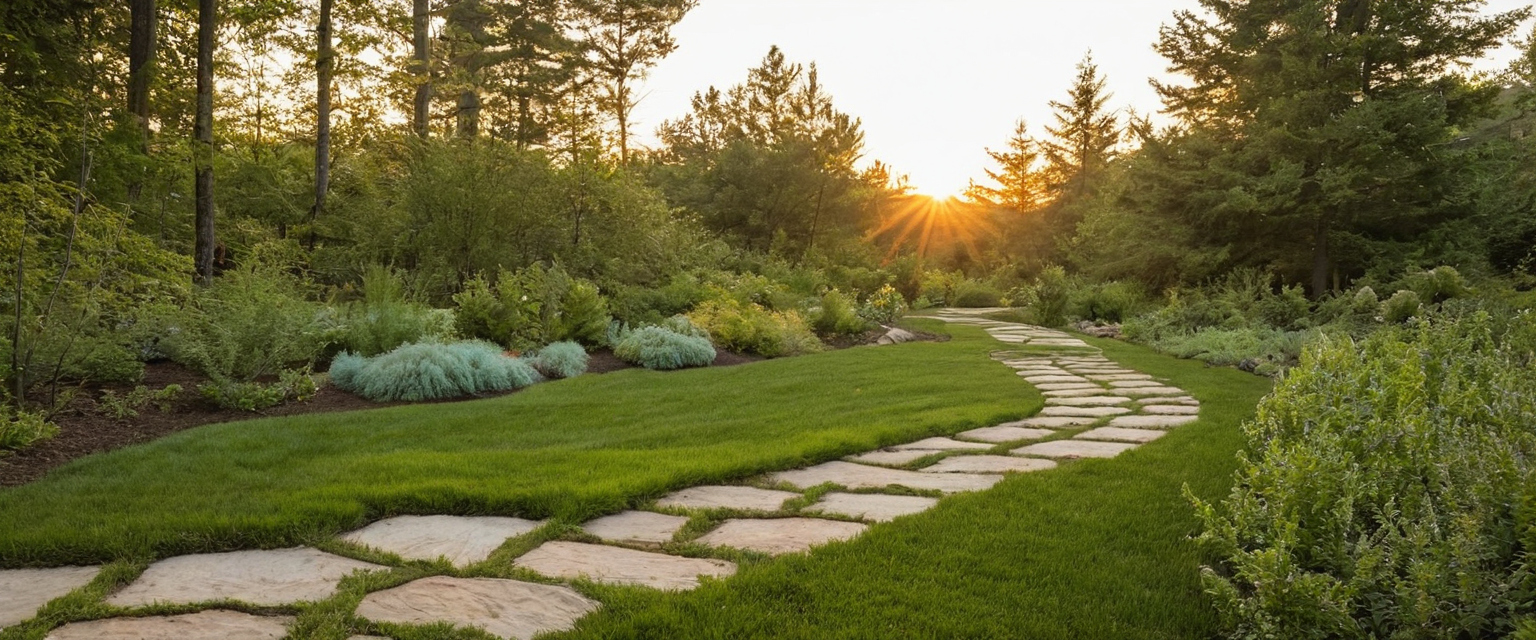
How should a residential owner sequence architecture, landscape architecture, and hardscape decisions shown as a landscape planning reference.
The rule of three means repeating three related plants, materials, focal points, or lighting rhythms for visual order. It helps composition, but it should not override access, maintenance, biodiversity, fire-resistant planting requirements, or drainage.
What risks appear when architecture and landscape architecture are not coordinated?
Poor coordination produces awkward steps, unusable terraces, water against walls, cracked paving, noncompliant pool barriers, blocked service access, and planting that damages structures. These risks are common when exterior design is priced after the house is permitted or under construction.
- Water: runoff to the house or neighbor, blocked outlets, saturated retaining walls, or drains without clear outlets.
- Access: unsafe steps, missing guards, poor pool barrier coordination, or blocked utility routes.
- Structure: cracked slabs, unsupported edges, or walls built without required structural review.
- Maintenance: staining, algae, loose stone, invasive roots, ponding paving, or high-care planting.
A final coordination meeting should include the owner, architect, landscape architect, civil or drainage consultant, structural engineer where needed, pool specialist, general contractor, and hardscape contractor. Buyers can use the same discipline when evaluating homes where exterior amenities are part of the purchase decision. Compact or coastal sites need tighter coordination around access, views, services, and exterior amenities, as seen in outdoor planning in dense luxury residential settings.
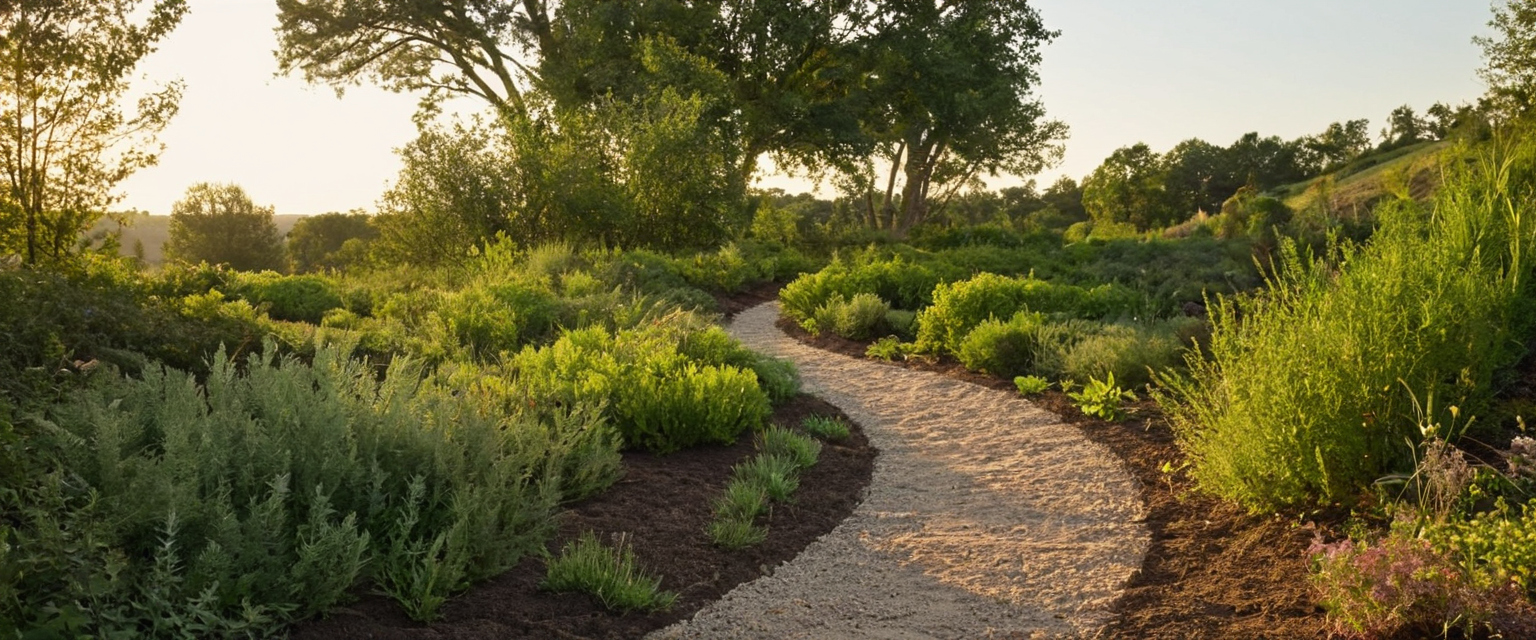
What risks appear when architecture and landscape architecture are not coordinated shown with outdoor scale and terrain cues.
FAQ
What are the five key features of a residential site plan?
Property boundaries, building position, setbacks, access, and level or drainage references. A stronger plan also shows utilities, easements, trees, existing structures, proposed structures, and service routes.
What does an architectural site plan look like before landscape design is added?
It is usually a scaled top-view drawing showing the parcel, house footprint, driveway, entries, setbacks, major levels, existing constraints, and proposed changes.
When should a landscape architect be hired for a house project?
Hire one early when the project includes major terraces, pools, retaining walls, complex driveways, mature trees, privacy screening, steep sites, drainage constraints, or exterior spaces that affect the house layout.
Do I need a hardscape architect, a landscape architect, or a civil engineer for a driveway or terrace?
Use a landscape architect for layout, a hardscape specialist for installation details, and a civil or drainage consultant when runoff, grading, stormwater discharge, or permeable surface approval becomes technical.
What is the rule of three in landscaping, and when is it not enough?
It repeats three related plants, materials, focal points, or lighting rhythms for order. It is not enough when access, drainage, maintenance, safety, budget, or local requirements control the design.